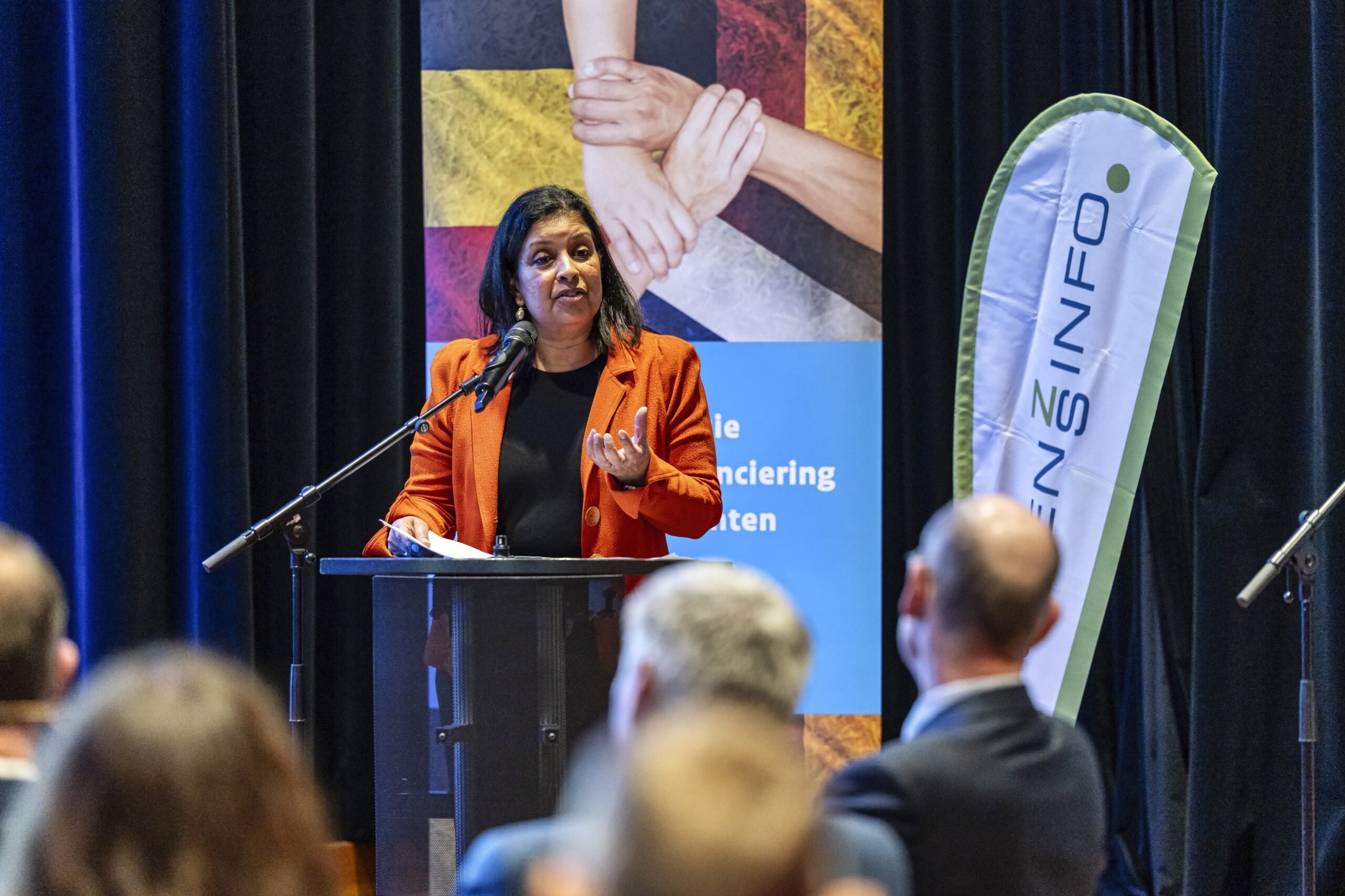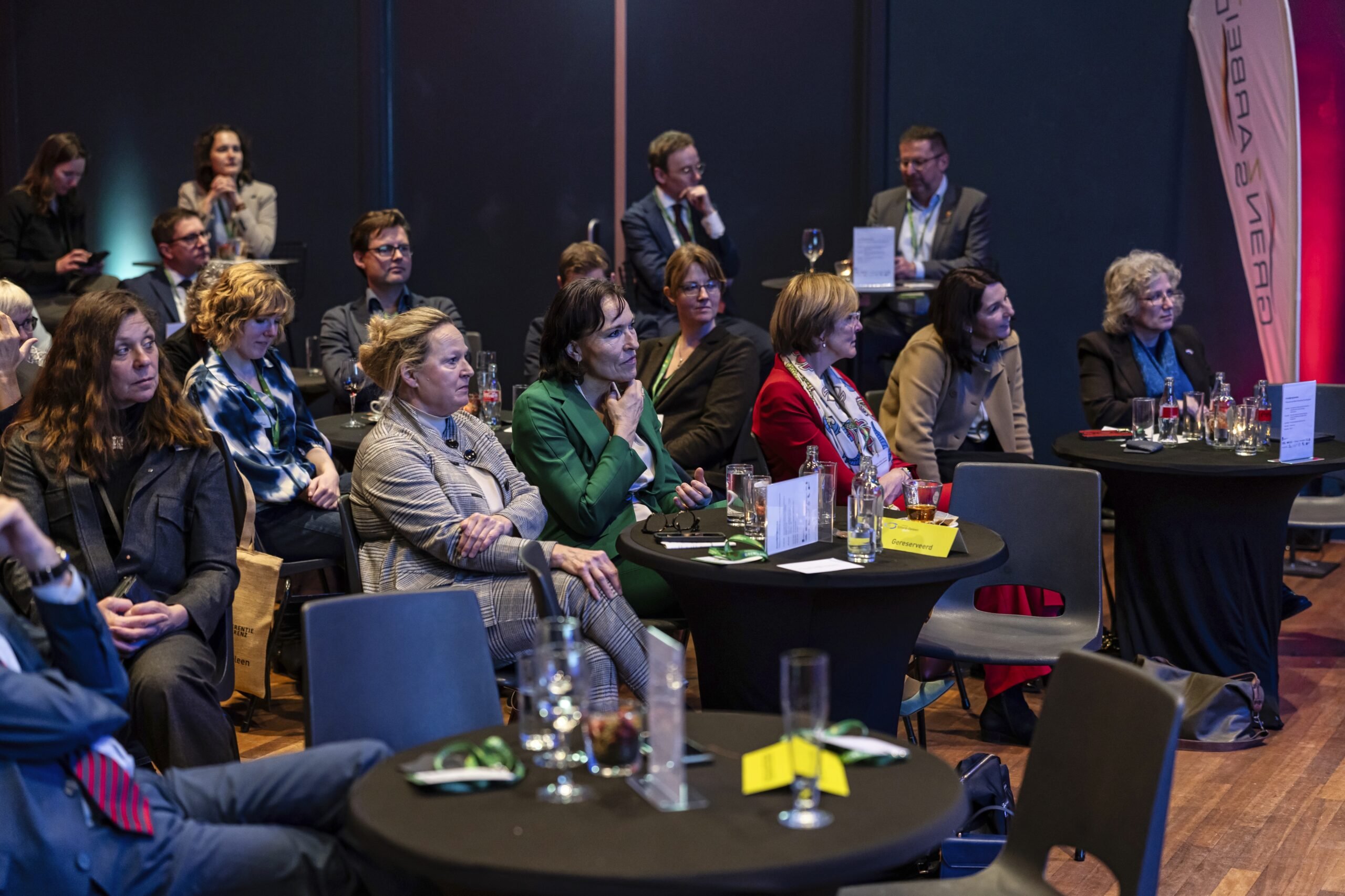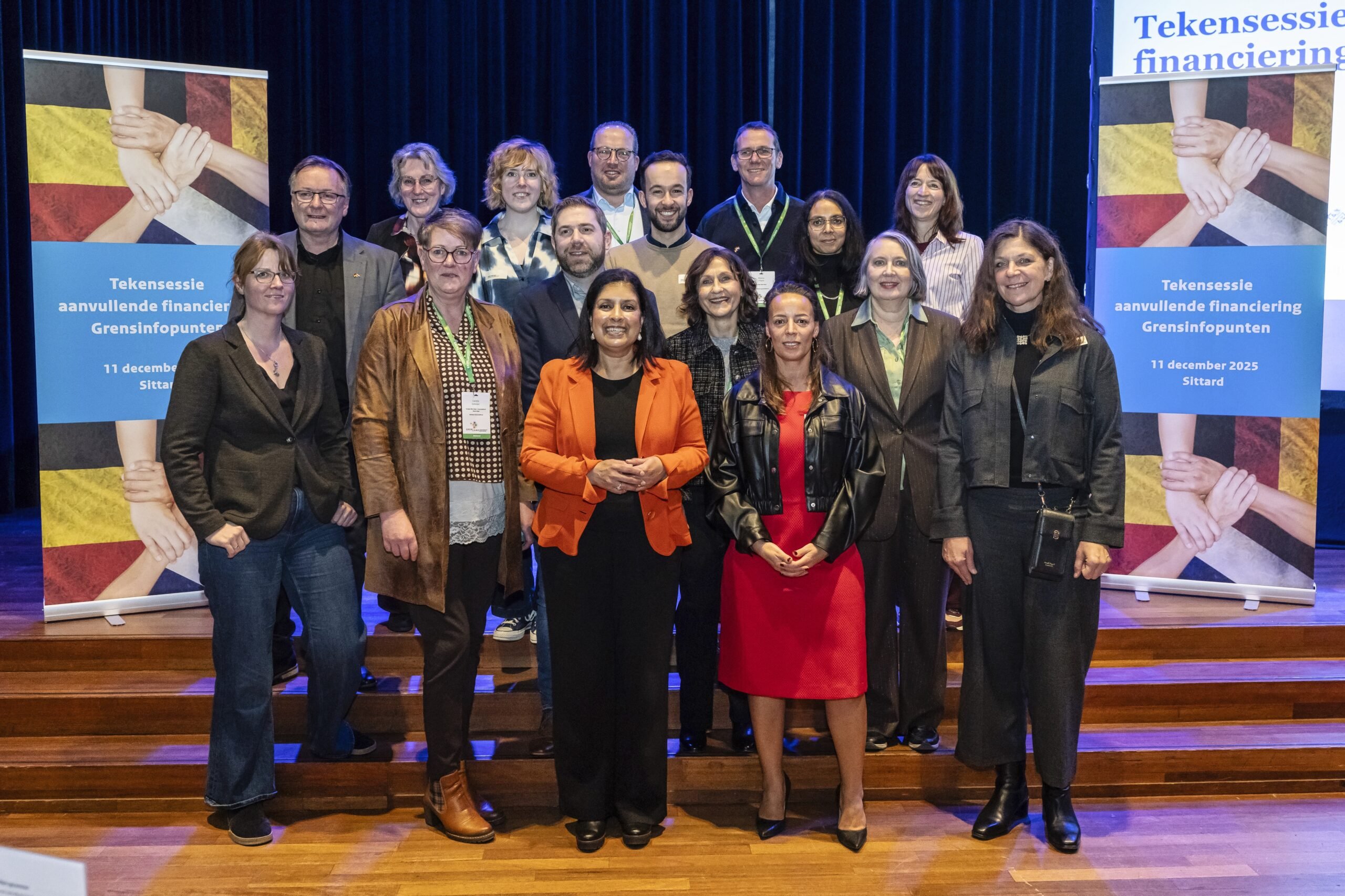
Sittard-Geleen, 11 December 2025. During the Dutch-German Borderland Conference 2025, the Netherlands and Germany reaffirmed their joint support for the Cross-Border Information Points (GIPs). The meeting of representatives from politics, government and border regions focused on ensuring the long-term provision of cross-border information.
The Cross-Border Information Points are important information hubs for people and businesses who live, work, study or do business across borders. They offer independent information and advice on topics such as taxation, social security and labour law. In this way, they help to remove practical barriers to daily cross-border mobility.
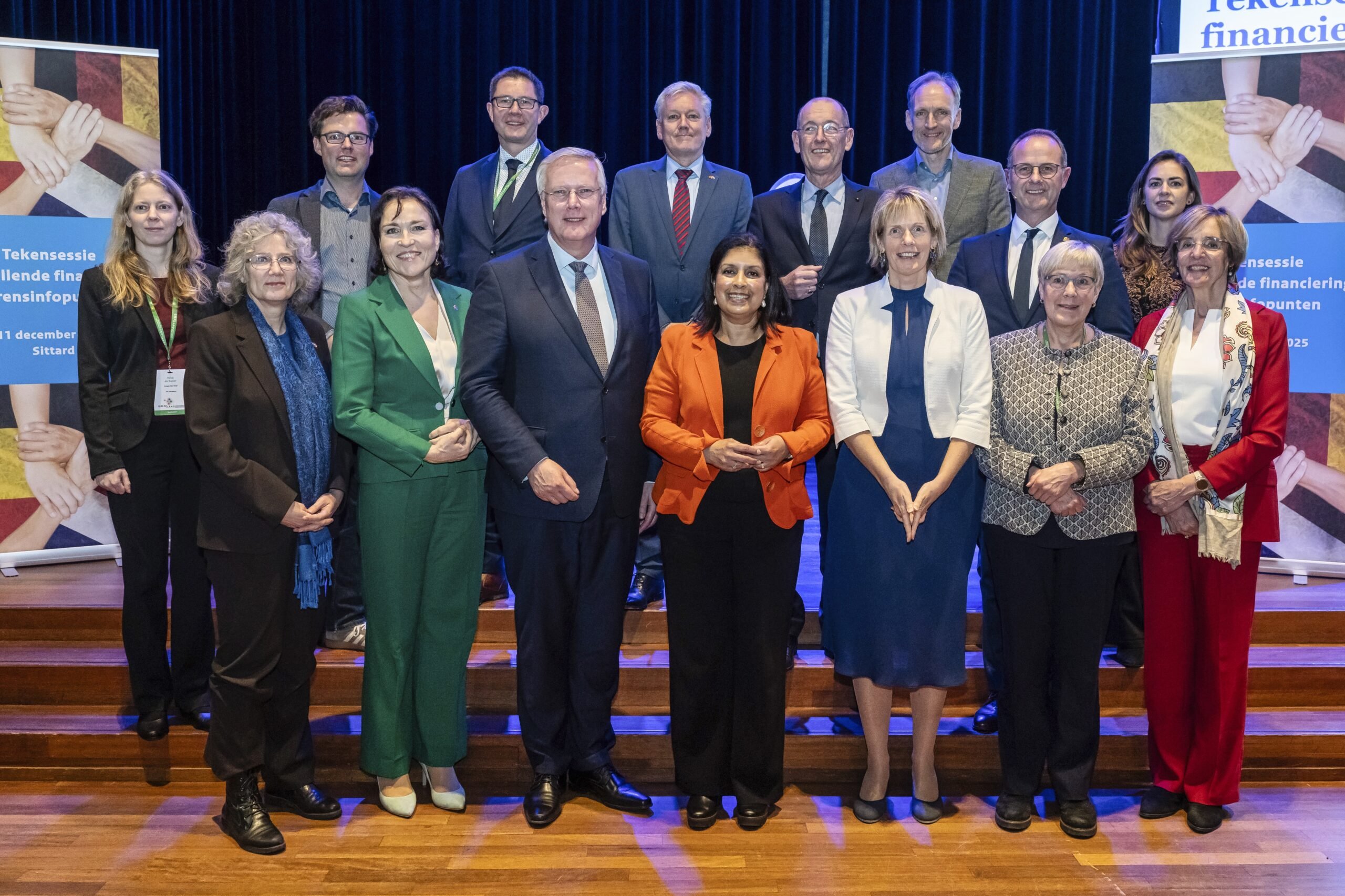
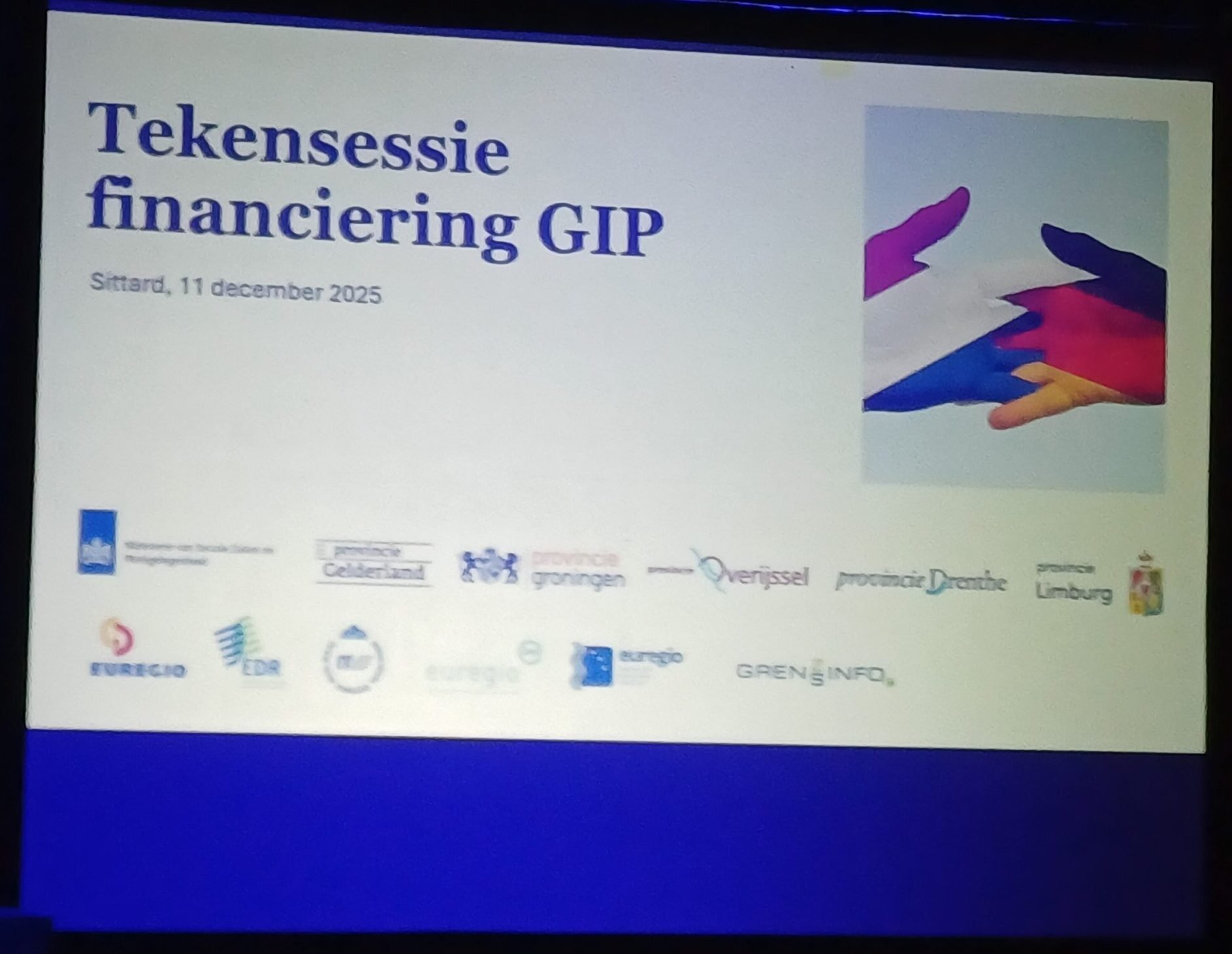
During the conference, it was confirmed that the Cross-Border Information Points can count on additional financial resources in the future. From 1 January 2026, both the Netherlands and Germany will supplement the funding with an increased contribution. National, regional, provincial and local authorities are cooperating on this. The aim is to secure this specialised information provision in the long term and to develop it further.
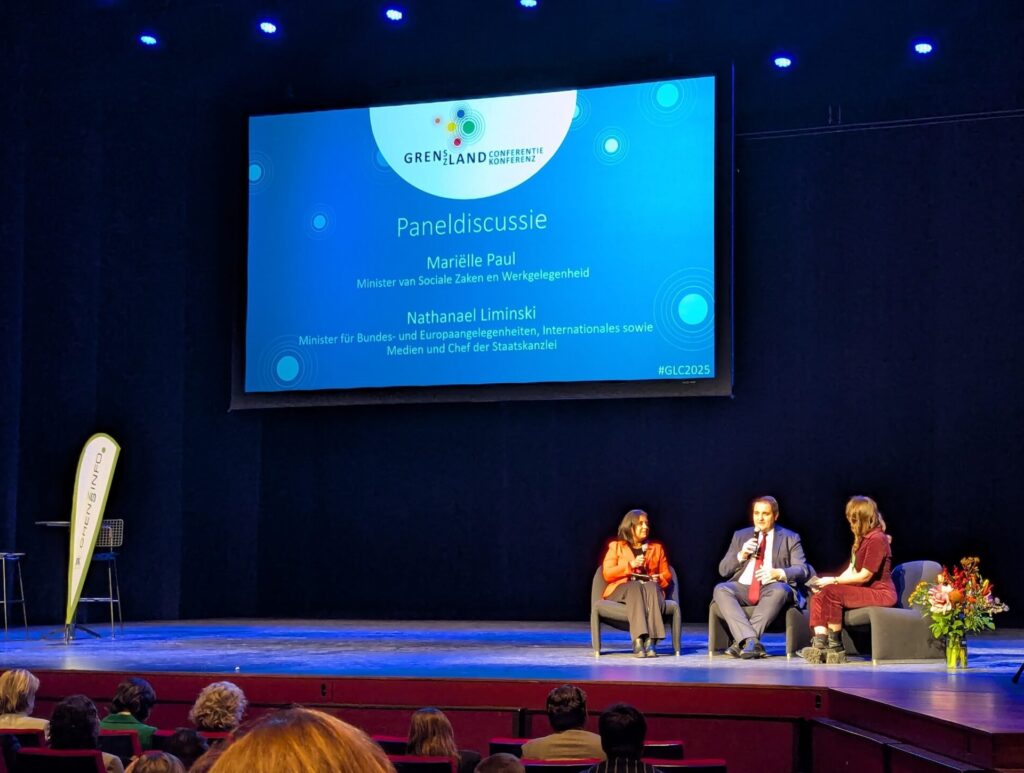
In Sittard, Nathanael Liminski, Minister for European Affairs of North Rhine-Westphalia, emphasised the importance of the Cross-Border Information Points for the border region:
‘The Cross-Border Information Points are important points of contact for people and businesses in the border region. They provide reliable information about working, living and studying in the neighbouring country. This is an essential prerequisite for a fully integrated border region. It is crucial to secure the long-term financial future of this vital border infrastructure. Subject to approval by the state parliament, North Rhine-Westphalia will continue to make funds available in the future at the same level as the Netherlands, thereby strengthening this recognised advisory service.’
The Dutch side also emphasised the importance of the Cross-Border Information Points for an integrated Euregio.
Dutch Minister Mariëlle Paul (Social Affairs and Employment) underlined:
‘The Cross-Border Information Points provide relevant information to thousands of cross-border commuters. I am pleased that, together with the provinces, municipalities and the German regional states, we are investing additional funds to help businesses and citizens as much as possible.‘
Deputy Elianne Demollin-Schneiders (Deputy of the Province of Limburg for Neighbouring Countries Policy, Education & Labour Market) stated:
‘The border is not a barrier, but an opportunity. Thanks to the Cross-Border Information Points, people from Limburg and our neighbours across the border can take the step towards studying or working on the other side. That is good for people, good for businesses and good for the region. Because the better we work together, the stronger our shared future will be.‘
The Border Region Conference (Grenzlandkonferenz / Grenslandconferentie) is an important platform for Dutch-German cooperation. Every year, it brings together policymakers, governments and regional partners to discuss common challenges and take concrete steps towards a more integrated border region.